
In which industries are energy-saving fans used for environmental protection equipment? What are the purchasing criteria?
Author:Guangdong WUSHI Fan.,LTD.
Click:
Time:2025-08-19 14:00:04
In which industries are energy-saving fans used for environmental protection equipment? What are the purchasing criteria?
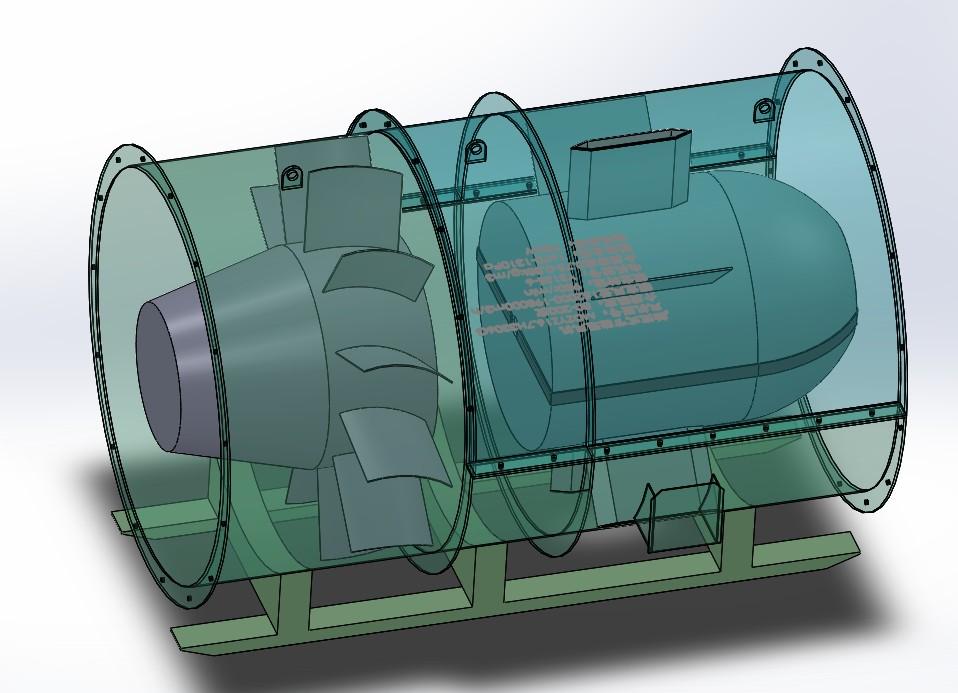
In today's era of pursuing green development, environmental protection equipment such as energy-saving fans play a key role in many industries due to their excellent energy-saving and environmental protection characteristics. The demand for fans in these industries is not only reflected in meeting production processes, but also in reducing energy consumption, minimizing pollution, and achieving sustainable development.
1、 Industry in urgent need of environmental protection equipment and energy-saving fans
Sewage treatment industry
During the operation of sewage treatment plants, the aeration process is a major energy consumer. To meet the oxygen demand of aerobic microorganisms for decomposing organic matter in wastewater, it is necessary to continuously supply a large amount of air. Traditional fans have high energy consumption, while energy-saving fans such as magnetic levitation fans can provide efficient and stable air flow, and their energy-saving characteristics can significantly reduce the operating costs of sewage treatment plants. Data shows that after adopting energy-saving fans, the energy consumption of sewage treatment plants can be reduced by 30% to 50%, greatly reducing the operational burden.
chemical industry
Chemical production involves numerous complex processes, often requiring the transportation of various gases, some of which are corrosive, flammable, and explosive. On the one hand, the exhaust gas generated during the production process must be properly treated before meeting emission standards, which requires the fan to operate stably in harsh environments with high temperature and high corrosion; On the other hand, some reaction processes require extremely high requirements for gas flow rate and pressure control. Energy saving fans, through optimized design, use corrosion-resistant materials and advanced sealing technology, can not only meet process requirements but also reduce energy consumption and lower energy expenses for enterprises.
Food and beverage industry
Food and beverage production requires extremely strict hygiene conditions. The production workshop requires good ventilation to maintain fresh air, prevent bacterial growth, and ensure product quality and safety. Energy saving fans not only provide suitable ventilation, but also have the characteristics of low noise and oil-free operation, avoiding pollution to the food and beverage production environment. At the same time, its energy-saving advantages help enterprises reduce operating costs and improve economic efficiency while ensuring the production environment.
Electronic semiconductor industry
The cleanliness of the production environment in electronic semiconductor manufacturing is almost strict, and any small pollutant may affect product quality. The energy-saving fan has the characteristics of oil-free and low particle emissions, which can provide high-purity clean air and meet the strict requirements of air quality in processes such as chip manufacturing and semiconductor packaging. Moreover, stable operation and precise air volume control help maintain the stability and consistency of the production process, and improve product yield.
power industry
In power production, processes such as boiler air supply for thermal power generation and gas turbine intake require fans to transport a large amount of air. Energy saving fans, with their high efficiency and energy-saving characteristics, can reduce plant electricity consumption, improve power generation efficiency, and thus reduce energy consumption and operating costs. Taking a certain thermal power plant as an example, adopting energy-saving fans can save a lot of electricity expenses every year, and the energy-saving effect is significant.
2、 Key indicators for selecting environmentally friendly equipment and energy-saving fans
Wind volume and pressure
Air volume refers to the volume of gas transported by a fan per unit time, while air pressure refers to the pressure provided by the fan to overcome pipeline resistance and other obstacles. The demand for air volume and pressure varies greatly among different industries and processes. In the aeration process of sewage treatment, it is necessary to accurately calculate the required air volume and pressure based on factors such as the size and depth of the aeration tank and the quality of the sewage, in order to ensure that microorganisms have sufficient oxygen for metabolism. When selecting, the rated air volume and pressure of the fan must be able to meet the maximum demand of the actual working conditions, and a certain margin must be reserved to cope with possible fluctuations.
energy efficiency ratio
Energy efficiency ratio is an important indicator for measuring the energy-saving performance of fans. The higher the energy efficiency ratio, the more gas the fan consumes per unit of electricity during operation, and the better the energy-saving effect. In the context of the country's strong promotion of energy conservation and emission reduction, high energy efficiency ratio fan products should be given priority, such as fans that meet the national first level energy efficiency standards. Some advanced energy-saving fans adopt efficient motors, optimized impeller designs, and intelligent variable frequency speed regulation technology, which can automatically adjust the fan speed according to actual working conditions, keeping the fan in an efficient operating range and significantly reducing energy consumption.
Reliability and stability
For industrial production, the reliable and stable operation of fans is crucial. Once the fan malfunctions, it may cause the entire production process to be interrupted, resulting in huge economic losses. Therefore, when purchasing, attention should be paid to the brand, production process, and quality control system of the fan. Famous brands usually invest heavily in research and development, production, and quality testing, ensuring product quality and providing more stable and reliable operational performance. At the same time, the structural design of the fan should be reasonable, and key components such as impellers and bearings should have good wear resistance and fatigue resistance to ensure that the fan is not prone to failure during long-term continuous operation.
Noise and vibration levels
In densely populated workplaces or areas with strict requirements for environmental noise, the noise and vibration levels of fans are important indicators that cannot be ignored. Excessive noise not only damages the physical health of operators, but may also affect the surrounding environment. High quality energy-saving fans usually adopt advanced noise reduction technology and shock absorption measures, such as optimizing the structural design of the fan, using low-noise motors, installing soundproof covers and shock absorbers, etc., to control the noise and vibration generated by the fan during operation within a reasonable range. For example, in industries with high environmental requirements such as food and beverage and electronic semiconductors, low-noise and low vibration fans can better meet production needs.
Maintain convenience
During long-term operation, fans inevitably require maintenance and upkeep to ensure their stable performance. Therefore, when choosing a fan, its maintenance convenience should be considered. A fan with a simple structure and easy disassembly is more convenient and efficient for component replacement, cleaning, and maintenance, which can effectively shorten downtime and reduce maintenance costs. At the same time, the manufacturer of the fan should be able to provide timely and comprehensive after-sales service, including technical support, parts supply, etc., to ensure that users can receive timely solutions to problems encountered during use.
Environmental protection equipment energy-saving fans have wide and important applications in various industries such as sewage treatment, chemical industry, food and beverage, electronic semiconductor, and power. When selecting, it is necessary to comprehensively consider key indicators such as air volume and pressure, energy efficiency ratio, reliability, noise and vibration, and maintenance convenience. Combined with actual working conditions, the most suitable fan product should be selected to achieve the goals of high efficiency, energy saving, and stable operation, and to help enterprises achieve a win-win situation in environmental protection and economic benefits.

Guangdong Wushi Fan Co., Ltd.
TEL:0086-757-81263018, 013336414696
FAX:0086-757-8126309
Website:https://www.industrial-fan.top
QQ:3834825849
E-mail:wushifengji@126.com

WeChat online customer service
Copyright ©Guangdong Wushi Fan Co., Ltd.

点击右上角
分享给朋友吧
